Tag Archives: video content marketing

How to Improve the Performance of an Old Marketing Video

Creating a marketing video takes time, money, and planning. But once a video has been published, many businesses simply move on to the next piece of content. That can be a mistake.

An older marketing video may still contain useful information, a strong message, or footage that could attract customers today. Instead of abandoning it, businesses can often improve the performance of an old marketing video by updating its packaging, refreshing its message, improving its distribution, and connecting it to newer content.

You don’t always need to produce an entirely new video to get better results. Sometimes, a few strategic changes can give an existing video another opportunity to reach the right audience.
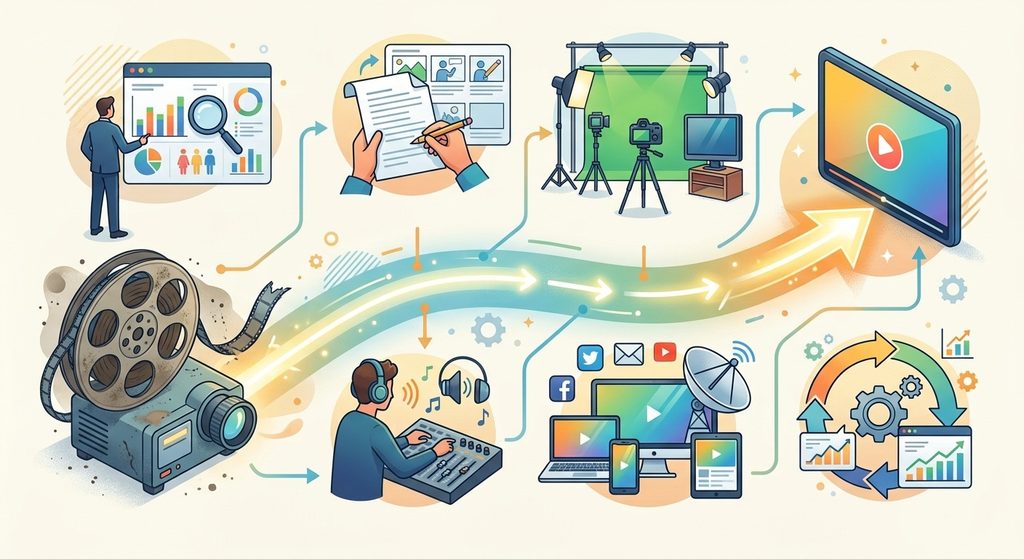
How to Improve the Performance of an Old Marketing Video
image generated by Gemini

Start by Reviewing the Video’s Current Performance

Before changing anything, determine why the video is underperforming.

Look at available analytics and ask:

  • How many people are watching?
  • Where are viewers discovering the video?
  • How long do they typically watch?
  • Where are viewers leaving?
  • Is the video generating website visits or leads?
  • Has interest in the topic changed?
  • Is the video still relevant to your target customer?

This information helps you avoid making changes based purely on guesswork.

For example, a video may have a useful message but receive very few clicks because its title and thumbnail are weak. Another may attract plenty of viewers but lose most of them during the opening because it takes too long to get to the point.

Those are two completely different problems and require different solutions.

Update the Video Title

One of the simplest ways to improve an old marketing video is to reconsider its title.

Older videos are sometimes given titles that make sense internally but don’t clearly communicate their value to potential customers. A better title should tell people what they can expect while naturally incorporating the topic they’re interested in.

YouTube recommends accurate, concise titles that help viewers understand what a video is about. It also advises putting the most important words toward the beginning of the title.

For example, instead of:

Our Company’s Marketing Approach

consider:

How Small Businesses Can Get More Customers With Video Marketing

The second title immediately communicates the subject and potential benefit.

Don’t turn the title into a string of keywords, though. The goal is to make it useful to humans first.

Create a Better Thumbnail

A thumbnail can determine whether someone stops scrolling and considers watching your video.

If an old video has a dated, cluttered, blurry, or generic thumbnail, replacing it may make the content more appealing to new viewers.

A strong business video thumbnail should:

  • Clearly communicate the subject
  • Be easy to understand at a small size
  • Avoid unnecessary visual clutter
  • Create curiosity without misleading viewers
  • Work well on both desktop and mobile devices
  • Match the actual content of the video

YouTube specifically recommends experimenting with updated thumbnails for older videos and using analytics to understand how titles and thumbnails affect performance.

If your channel has access to YouTube’s native A/B testing feature, older videos can be particularly useful candidates for testing different titles and thumbnails. YouTube currently allows eligible creators to compare up to three combinations, with the test evaluating performance based on watch time.

Improve the Video Description

An old description may be short, outdated, or missing important information.

Rewrite it so that it accurately explains what viewers will learn and gives them a reason to continue exploring your business.

Include relevant information such as:

  • What the video covers
  • Who the video is intended for
  • Important products or services mentioned
  • Links to relevant pages on your website
  • Related videos
  • A useful call to action
  • Relevant timestamps when appropriate

Avoid stuffing the description with repetitive keywords. A natural explanation is more useful to visitors and provides clearer context.

Add a Stronger Call to Action

An old video may educate viewers but fail to tell them what to do next.

Consider what action makes sense for someone who has just watched the video.

Depending on your business, that could be:

  • Visit a service page
  • Request a quote
  • Schedule a consultation
  • Download a guide
  • Read a related article
  • Watch another video
  • Contact your business
  • Sign up for an email list

The call to action should fit the viewer’s position in the buying process.

A beginner watching an educational video may not be ready to make a purchase. Sending that person to another helpful resource could be more effective than immediately asking for a sale.

Connect the Old Video to New Content

One of the best ways to revive an older video is to surround it with newer content.

Suppose you published a video about creating social media videos several years ago. Since then, you’ve published articles about short-form video, video SEO, content repurposing, and video analytics.

Link the older video from those newer pages where it genuinely adds value.

You can also create a new video that expands on the original topic and directs viewers toward the older resource.

This creates a network of related content rather than leaving the old video isolated.

Refresh Outdated Information

This is especially important for marketing videos.

Platforms, advertising options, software, pricing, social media features, and consumer behavior can change quickly. A video that was accurate several years ago may now contain information that is incomplete or outdated.

Review the video carefully.

Ask:

Is everything still accurate?

If the changes are minor, you may be able to update the title, description, links, and supporting content.

If the actual information inside the video is significantly outdated, consider creating a new version rather than pretending the old video is current.

You can then use the older video to introduce viewers to the updated version.

Improve the Video’s Search Visibility

Video SEO can help people discover your content through search engines.

For videos published on your own website, Google recommends making the video discoverable and indexable, using appropriate video metadata, providing stable thumbnail URLs, and considering structured data such as VideoObject. Videos can potentially appear in Google Search, Video mode, Google Images, and Discover.

If you embed an older video on your website, don’t simply place the video on a page with little surrounding information.

Build a useful page around it.

For example, an article about How to Market a Small Business With Video could include:

  • An introduction
  • The embedded video
  • A written explanation
  • Key takeaways
  • Frequently asked questions
  • Related resources
  • Links to relevant services or products

This gives visitors additional information and provides search engines with more context about the page.

Add Chapters or Key Moments

Longer videos can become easier to navigate when important sections are clearly identified.

If your video covers several distinct subjects, consider adding timestamps or chapters.

For YouTube videos, timestamps can help viewers jump directly to the sections they’re interested in. Google can also use information about important video segments for features such as key moments.

For example:

00:00 Introduction
01:15 Choosing a Video Topic
03:40 Creating the Script
06:10 Promoting Your Video
09:25 Measuring Results

This can make an older long-form video feel considerably more useful without changing the actual footage.

Repurpose the Video

Don’t limit an old marketing video to its original platform.

A single video can become the foundation for several pieces of content.

You might turn it into:

  • Short social media clips
  • Blog content
  • Email content
  • LinkedIn posts
  • Instagram Reels
  • YouTube Shorts
  • Frequently asked questions
  • Sales resources
  • Website content

This is particularly valuable for small businesses that don’t have the time or budget to create completely new videos every week.

The original video becomes a content asset rather than a one-time publication.

Promote the Video Again

Sometimes the problem isn’t the video itself. It simply isn’t being promoted anymore.

If the subject is still relevant, bring the video back into your marketing.

You could feature it in a newsletter, include it in a relevant blog article, share a short clip on social media, or use it as part of an email campaign.

You can also promote an older video when something changes in the market that makes its topic relevant again.

An older video isn’t automatically obsolete just because it isn’t new.

YouTube itself notes that older videos can experience renewed interest when a topic becomes more popular, new viewers discover a channel, or another video causes viewers to explore earlier content.

Improve the First Few Seconds

If you can edit the original footage, pay particular attention to the opening.

Viewers need to understand quickly why they should continue watching.

Remove unnecessary introductions, long logos, excessive greetings, or unrelated opening footage when possible.

Start with the problem, question, result, or benefit the viewer came to find.

For example:

Weak opening:
“Hi everyone, welcome back to our channel. Today we’re going to talk about…”

Stronger approach:
“Your business may already have everything it needs to create better marketing videos. Here’s how to turn your existing footage into content that generates more leads.”

YouTube emphasizes the importance of the opening seconds and recommends making sure the introduction delivers on the promise established by the title and thumbnail.

Don’t Change What Is Already Working

Refreshing an old video doesn’t mean changing every element.

If a video is already generating strong traffic, watch time, leads, or sales, be careful about making unnecessary changes.

Look for weaknesses rather than fixing things simply because they’re old.

YouTube explains that changing a title or thumbnail can affect performance because viewers may respond differently to the new presentation—not simply because the change itself gives the video a ranking boost.

That distinction matters.

The objective isn’t to make an old video look new. It’s to make a good piece of content more useful and easier for the right audience to discover.

Know When to Replace the Video

Not every old marketing video is worth saving.

Sometimes the better choice is to create a new version.

Consider replacing the video when:

  • The information is substantially outdated
  • The business has changed significantly
  • The product or service no longer exists
  • The production quality damages your brand
  • The target audience has changed
  • The original message no longer matches your strategy
  • The video receives little engagement despite repeated optimization

Even then, don’t automatically delete the old content. First determine whether it has valuable backlinks, search traffic, historical engagement, or other useful signals.

Build a Regular Video Refresh Process

Video optimization shouldn’t happen only when something goes wrong.

Set aside time every few months to review older marketing videos.

Create a simple process:

Step 1: Identify older videos with existing traffic or engagement.

Step 2: Review their analytics.

Step 3: Find opportunities to improve titles, thumbnails, descriptions, links, and calls to action.

Step 4: Check whether the information is still accurate.

Step 5: Repurpose useful sections into new content.

Step 6: Monitor performance after making changes.

Step 7: Keep the improvements that produce meaningful results.

Over time, this turns your existing video library into a growing marketing resource.

source: Nate Black

Final Thoughts

An old marketing video isn’t necessarily a failed marketing video.

It may simply need better positioning.

A stronger title can make the subject clearer. A refreshed thumbnail can make the video more appealing. Updated descriptions and links can improve the viewer journey. New supporting content can bring additional traffic. Analytics can reveal exactly where viewers are losing interest.

Most importantly, don’t assume that every marketing problem requires creating something from scratch.

Before spending money producing another video, look through your existing library. You may already have valuable content that can be improved, repackaged, updated, and promoted to a new audience.

The best video marketing strategy isn’t always about creating more videos. Sometimes, it’s about getting more value from the videos you already have.

The written content on this page was generated by ChatGPT.
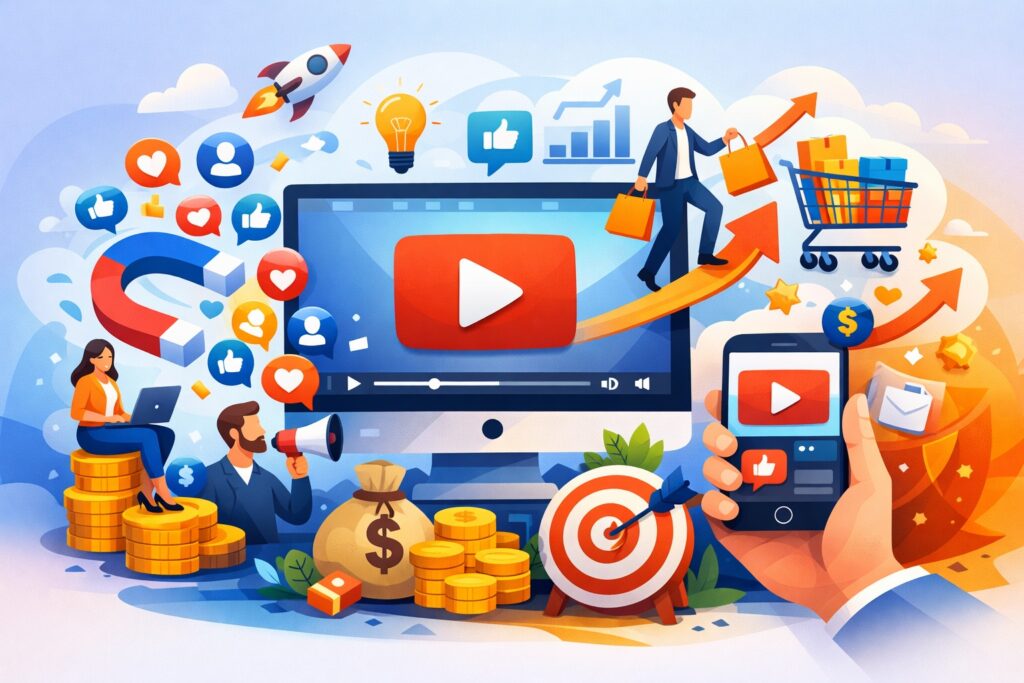
How Video Marketing Can Increase Engagement and Sales

Not long ago, most businesses relied on written descriptions and static images to promote their products and services. Today, that approach is no longer enough. Customers expect to see, hear, and experience what a business offers before they decide to trust it. Video has filled that gap. It gives businesses the ability to communicate quickly, clearly, and convincingly in a way that text alone cannot achieve.

People naturally respond to movement and sound. A well-crafted video can explain a product in seconds, demonstrate its value, and create a sense of familiarity that encourages customers to take action. This is why video marketing has become one of the most effective ways to increase engagement and drive sales across nearly every industry.

Businesses that use video strategically often see higher customer interest, stronger brand loyalty, and improved conversion rates. The impact goes beyond visibility. Video influences how customers feel, think, and ultimately decide.

How Video Marketing Can Increase Engagement and Sales

Why Video Captures Attention Better Than Other Content

Attention is the first step toward any sale. Without attention, even the best products remain unnoticed. Video is uniquely effective because it delivers information through multiple senses at once. Viewers can see the product, hear the explanation, and observe how it works in real situations.

This combination makes video easier to absorb and more memorable. Instead of asking customers to imagine how something works, video shows them directly. This reduces confusion and makes the message clearer.

Another advantage is speed. Many customers scan online content quickly. Video allows businesses to communicate their message within seconds. Even short videos can leave a lasting impression that encourages viewers to learn more.

Because of this, video often becomes the first point of meaningful interaction between a business and a potential customer.


Video Encourages Deeper Engagement

Engagement is more than just views. It reflects how interested people are in your content and how willing they are to interact with your brand. Video naturally encourages higher engagement because it feels more personal and easier to consume.

When visitors land on a website and see a video, they are more likely to stay longer. Instead of leaving quickly, they watch, listen, and absorb the information. This additional time creates more opportunities to influence their decision.

On social media, video consistently generates more interaction than other types of content. People are more likely to comment on videos, share them with others, and return to watch more. Each interaction increases your visibility and helps your business reach new audiences without additional advertising costs.

Engagement also strengthens familiarity. The more often customers see your brand through video, the more comfortable they become with it.


Video Builds Trust Faster

Trust is essential in any business relationship. Customers are more likely to buy from businesses they trust, and video helps establish that trust quickly.

When people see a real person explaining a product or sharing knowledge, it feels more genuine than reading anonymous text. Facial expressions, tone of voice, and body language all contribute to credibility.

Videos also create transparency. Showing how your product works, how it is made, or how it solves problems removes uncertainty. Customers can see the details for themselves instead of relying solely on written claims.

Testimonial videos are especially powerful. When potential customers see others sharing positive experiences, it reinforces confidence. This social proof reduces hesitation and makes purchasing decisions easier.

Over time, consistent video content helps build a reliable and trustworthy brand image.


Video Makes Products Easier to Understand

One of the most common reasons customers hesitate to buy is uncertainty. If they do not fully understand how a product works or how it benefits them, they may delay or avoid making a purchase.

Video removes this barrier by showing the product in action. Instead of explaining features in abstract terms, video demonstrates them clearly. Customers can see how the product fits into their lives and solves their problems.

This clarity simplifies decision-making. When customers understand the value, they feel more confident moving forward.

Instructional videos also reduce frustration after purchase. Customers who know how to use a product correctly are more satisfied, which leads to positive reviews and repeat business.


Video Strengthens Emotional Connection

Purchasing decisions are often influenced by emotion as much as logic. Video is one of the most effective tools for creating emotional connection because it combines storytelling, visuals, and sound.

A story told through video can inspire, reassure, or motivate viewers. It can show how a product improves someone’s life or solves a meaningful problem. These stories help customers see themselves in similar situations.

When customers feel emotionally connected, they are more likely to remember the brand and remain loyal over time. Emotional connection transforms one-time buyers into long-term customers.

This connection also encourages customers to share your content, expanding your reach naturally.


Video Improves Conversion Rates

Conversions happen when viewers take action. This could be making a purchase, signing up for a service, or contacting your business.

Video helps guide customers toward these actions by answering questions and removing doubts. When customers feel informed and confident, they are more willing to move forward.

Adding video to product pages often increases sales because customers gain a clearer understanding of what they are buying. Seeing the product demonstrated provides reassurance.

Video also improves the effectiveness of landing pages. Visitors are more likely to stay and engage with the content, increasing the likelihood of conversion.

Even email marketing benefits from video. Messages that include video often receive higher open and click rates because they attract curiosity and interest.


Video Enhances Your Online Visibility

Visibility is essential for attracting new customers. Video plays an important role in improving your online presence.

Search engines favor content that keeps users engaged. When visitors spend more time watching videos on your website, it signals quality and relevance. This can improve your search rankings.

Video content also appears in multiple places, including search results, video platforms, and social media feeds. This increases the number of ways customers can discover your business.

As more people view and share your videos, your brand becomes more recognizable. This increased exposure leads to more traffic and sales opportunities.


Video Supports Every Stage of the Customer Journey

Customers move through several stages before making a purchase. Video can support each step.

In the awareness stage, videos introduce your brand and attract attention.

In the consideration stage, videos explain how your product works and why it is valuable.

In the decision stage, testimonial and demonstration videos provide reassurance and encourage action.

After the purchase, instructional videos help customers use the product successfully, increasing satisfaction and loyalty.

This ongoing support strengthens your relationship with customers and encourages repeat business.


Different Types of Videos That Drive Results

A strong video marketing strategy includes various types of content designed for different purposes.

Explainer videos help customers understand services or products quickly.

Product demonstration videos show features and real-world use.

Customer testimonials build trust through real experiences.

Educational videos provide helpful information and establish expertise.

Short-form videos capture attention and increase social media engagement.

Each type contributes to stronger engagement and higher conversion rates.


Getting Started With Video Marketing

Starting with video marketing does not require expensive equipment or complex production. What matters most is clarity and authenticity.

Begin by identifying common customer questions. Create videos that answer those questions clearly.

Focus on providing useful information rather than trying to impress with production quality alone. Authentic content often performs better because it feels genuine.

Consistency is also important. Regular video content builds familiarity and strengthens your presence over time.

As you gain experience, you can refine your approach and improve quality gradually.


Long-Term Benefits of Video Marketing

Video marketing continues to deliver value long after it is published. Unlike traditional advertising, which stops when the campaign ends, videos remain accessible and continue attracting viewers.

Over time, your video library becomes a valuable resource that educates customers, builds trust, and supports sales.

This lasting impact makes video one of the most efficient and cost-effective marketing strategies available.

Businesses that invest in video now position themselves for sustained growth and stronger customer relationships.

source: Monica Beeman

Video marketing has fundamentally changed how businesses connect with their audiences. It captures attention quickly, builds trust through transparency, and helps customers understand products more clearly. These benefits lead directly to increased engagement and higher sales.

More importantly, video creates meaningful connections. It allows businesses to communicate with clarity, authenticity, and emotional impact. Customers who feel informed and confident are far more likely to take action.

As digital competition continues to increase, businesses that embrace video marketing gain a powerful advantage. Video is not just a trend. It is a proven strategy for attracting attention, building trust, and driving consistent business growth.

The written content on this page was generated by ChatGPT.

Types of Marketing Videos: Which Ones Work Best for Your Business?

Scroll through your phone for five minutes and you’ll notice something: almost everything is video. Product launches. Customer reviews. Behind-the-scenes clips. Tutorials. Even emails now include embedded video thumbnails.

Video is no longer a “nice addition” to a marketing strategy. For many businesses, it has become the backbone of how they attract attention, build trust, and convert viewers into paying customers.

But here’s where most businesses get stuck.

They know they need video marketing. What they don’t know is which type of video actually fits their goals.

Should you create a polished brand story? A quick social media clip? A detailed product demo? A customer testimonial? The answer depends on what you’re trying to achieve and who you’re trying to reach.

Let’s break down the most effective types of marketing videos, how they work, and when to use them so you can choose the right format for your business.

Types of Marketing Videos: Which Ones Work Best for Your Business?

Explainer Videos: Turning Confusion Into Clarity

If your product or service requires explanation, an explainer video can become one of your most valuable marketing assets.

Explainer videos are typically short, focused pieces that clarify what you do, who you help, and why it matters. They are especially powerful for startups, tech companies, service providers, and businesses introducing something new to the market.

What makes them effective is their simplicity. A good explainer video answers three questions quickly:

  1. What problem does your audience have?
  2. How does your solution fix it?
  3. Why should they trust you?

When done well, explainer videos improve landing page conversions, reduce bounce rates, and make complex offers easier to understand. Animation works well for abstract ideas, while live-action works better for service-based businesses that want a human touch.

If your audience says, “I’m not sure I understand what you do,” start here.


Product Demonstration Videos: Show, Don’t Just Tell

There’s a big difference between describing a product and watching it solve a problem in real time.

Product demo videos walk viewers through how something works. Instead of listing features, they highlight benefits in action. This is especially important for e-commerce brands, SaaS tools, gadgets, and physical products.

Why are demo videos so persuasive?

Because they remove doubt.

Customers can see functionality. They can evaluate ease of use. They can imagine themselves using the product. That visualization shortens the buying cycle dramatically.

The most effective demos focus less on technical specifications and more on real-world application. Show the transformation. Show the before and after. Show the experience.

If your business depends on convincing customers that your product delivers, product demos are essential.


Testimonial and Case Study Videos: Building Trust Through Proof

Modern consumers are skeptical. They trust other customers more than they trust brands.

That’s why testimonial and case study videos often outperform other content when it comes to conversion.

A testimonial video is simple: a satisfied customer shares their experience. A case study video goes deeper, explaining the challenge, the solution, and measurable results.

These videos work because they provide social proof. Instead of saying “We’re great,” you let your customers say it for you.

For service-based businesses, consultants, agencies, and B2B companies, this format can be a game changer. Potential clients want reassurance before committing. Seeing real results from real people lowers risk in their mind.

Keep testimonials authentic. Overproduced or overly scripted reviews can feel staged. Honest stories resonate more than perfection.


Brand Story Videos: Creating Emotional Connection

Not every marketing video needs to push for a sale.

Some of the most powerful videos simply tell a story.

Brand story videos introduce your mission, your values, and the people behind your company. They create emotional alignment between your brand and your audience.

In crowded markets, this matters.

When customers feel connected to your story, they are more likely to choose you over competitors offering similar products or services. Emotional branding builds loyalty, not just transactions.

This type of video works especially well on homepages, about pages, and social media campaigns focused on awareness rather than direct response.

If you want people to remember your brand, not just your offer, storytelling is key.


Social Media Videos: Capturing Attention Quickly

Attention spans are shorter than ever, especially on social platforms.

Short-form videos designed specifically for social media are built for speed. They grab attention in the first few seconds and deliver value quickly.

These videos might include:

  • Quick tips
  • Mini tutorials
  • Behind-the-scenes moments
  • Product highlights
  • Industry insights

The goal here is engagement. Likes, shares, comments, and saves all signal relevance and increase visibility.

What makes social media videos different from other formats is pacing. They are fast, visually dynamic, and optimized for mobile viewing. Captions are essential since many users watch without sound.

If your goal is brand awareness and audience growth, short-form social video should be part of your strategy.


Educational and How-To Videos: Positioning Yourself as an Authority

When you teach something useful, you build credibility.

Educational videos and tutorials are among the most powerful long-term marketing tools because they attract organic search traffic and establish authority in your niche.

These videos answer specific questions your audience is already searching for. Over time, they become evergreen content that continues generating leads.

For example:

  • How to use your software
  • How to solve a common industry problem
  • Step-by-step guides related to your service

This format works particularly well on YouTube and blog pages embedded with video. Educational content builds trust before the sales conversation even begins.

If your business relies on expertise, tutorials can position you as the go-to resource in your field.


Live Videos and Webinars: Real-Time Engagement

Live video creates immediacy.

Whether it’s a product launch, Q&A session, workshop, or webinar, live formats allow direct interaction with your audience. Viewers can ask questions, leave comments, and engage in real time.

This interaction builds authenticity. It feels less scripted and more human.

Live video also creates urgency. People tune in because they don’t want to miss out.

For coaches, consultants, educators, and brands launching new offers, live video can significantly increase engagement and conversions.

Repurposing live sessions into shorter clips afterward extends their value even further.


Which Type of Marketing Video Is Right for You?

There is no single “best” marketing video. The right choice depends on your goals.

If you want clarity, use an explainer.
If you want persuasion, use a product demo.
If you want trust, use testimonials.
If you want connection, tell your story.
If you want visibility, create social videos.
If you want authority, teach.
If you want interaction, go live.

The most effective video marketing strategies combine multiple formats. A business might use social videos for awareness, explainer videos on landing pages, testimonials during the decision stage, and tutorials for long-term traffic.

The key is alignment. Your video type should match your audience’s needs and your business objectives.

source: Spiel Creative

Video marketing is not about producing the flashiest content. It is about choosing the right format for the right moment in your customer’s journey.

When businesses treat video as a strategic tool rather than a trend, results follow. Engagement increases. Trust grows. Conversions improve.

Start with one format that aligns with your immediate goals. Measure performance. Learn what resonates. Then expand your approach.

The businesses that win with video are not necessarily the ones with the biggest budgets. They are the ones who understand which types of marketing videos work best for their audience and use them intentionally.

And that is where real growth begins.

The written content on this page was generated by ChatGPT.